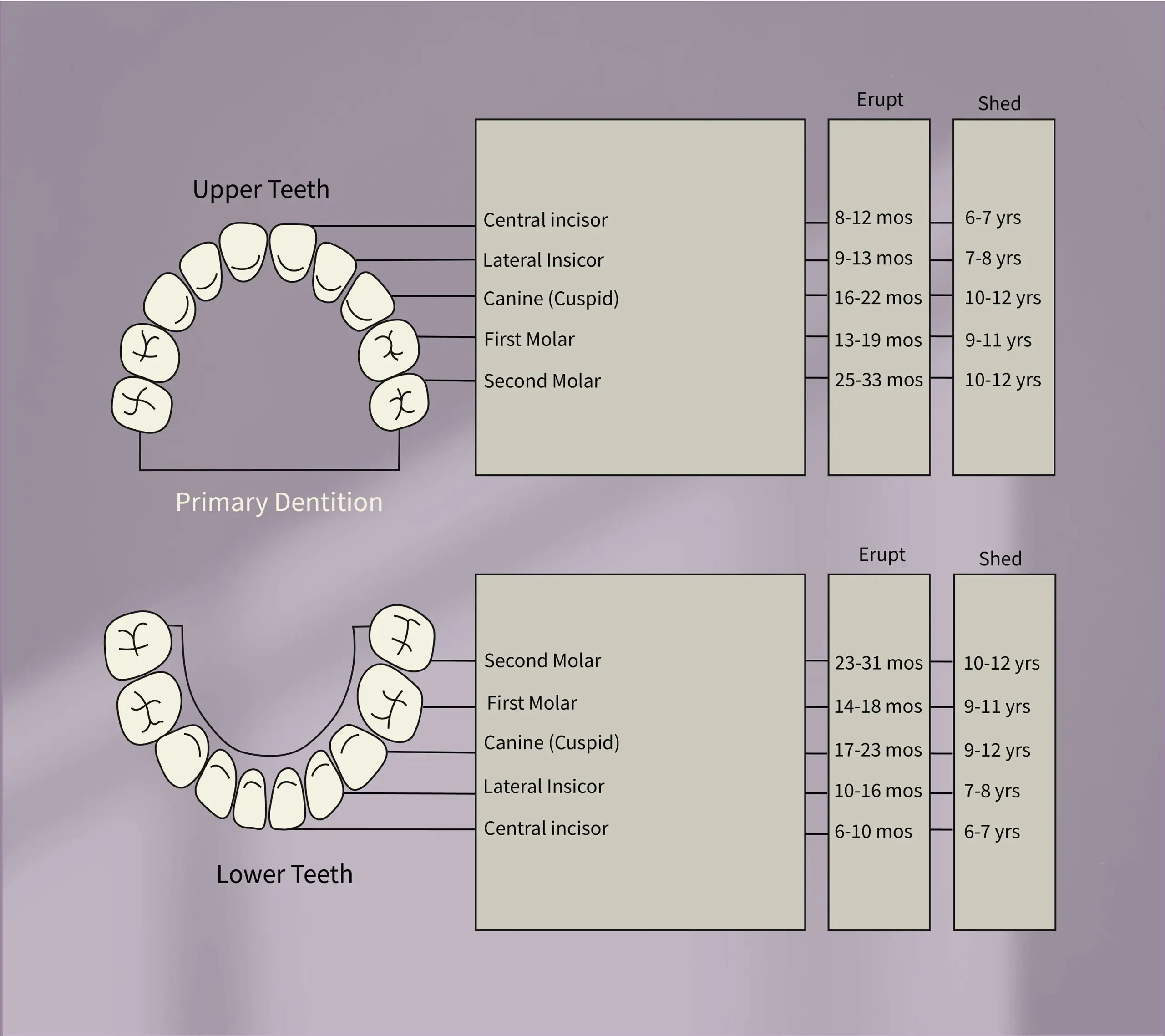
The human mouth contains two sets of teeth: primary and permanent. Primary teeth, also known as baby teeth, typically emerge between six months and three years. They play a crucial role in speech development and proper chewing.
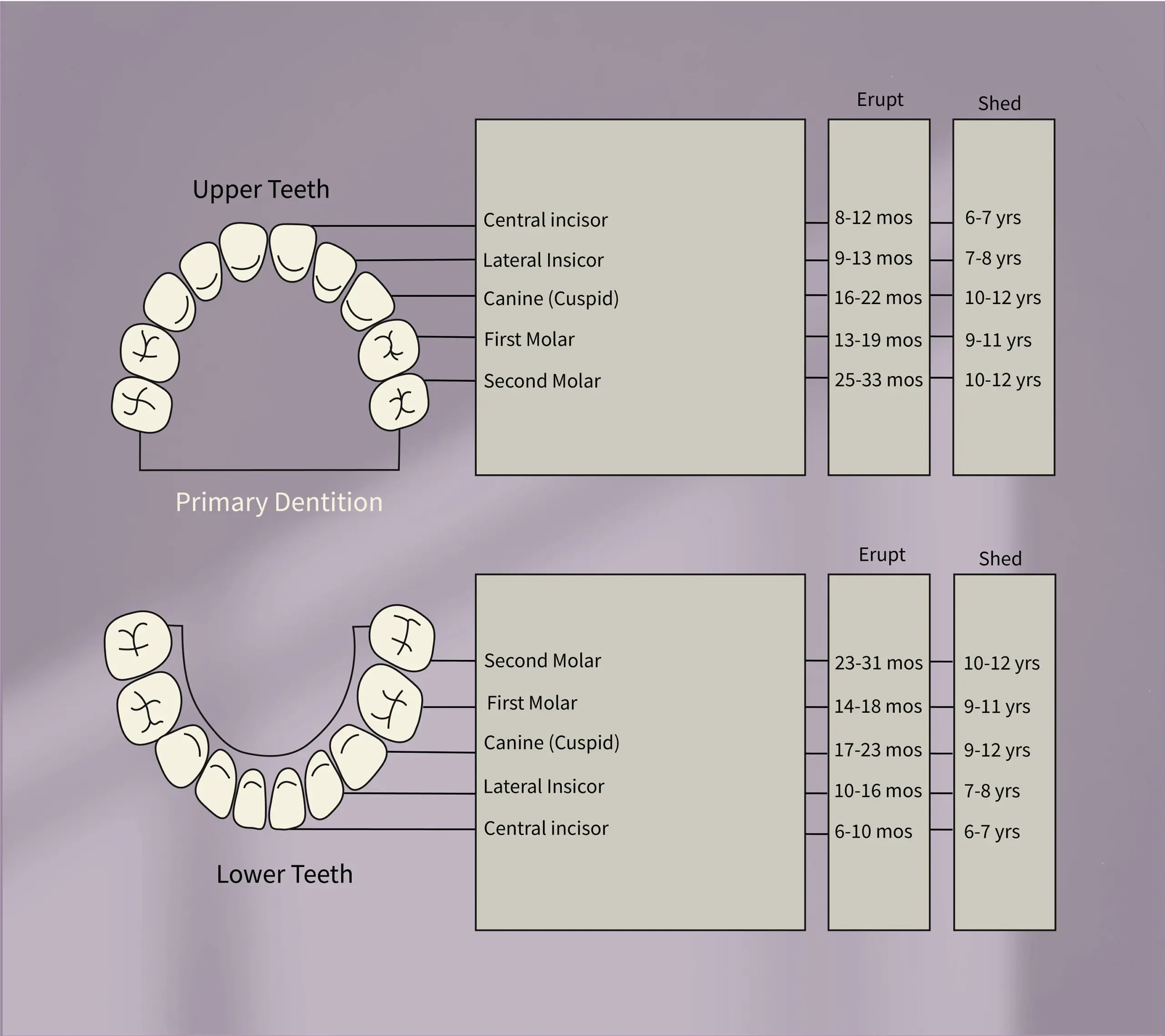
permanent and primary teeth chart
Permanent and Primary Teeth Chart
The human mouth contains two sets of teeth: primary and permanent. Primary teeth, also known as baby teeth, typically emerge between six months and three years. They play a crucial role in speech development and proper chewing.
Permanent teeth begin to replace primary teeth around age six, continuing until the late teens or early twenties. This transition is vital for maintaining oral health and ensuring proper alignment of the jaw and bite.
Primary Teeth Chart
The primary teeth chart consists of 20 teeth, including incisors, canines, and molars. Each quadrant of the mouth contains five primary teeth: two incisors, one canine, and two molars. These teeth are essential for early childhood development.
Primary teeth typically fall out in a specific order, starting with the central incisors. Understanding this chart helps parents monitor their child’s dental health and anticipate when new teeth will emerge.
Permanent Teeth Chart
The permanent teeth chart includes 32 teeth, comprising incisors, canines, premolars, and molars. Each quadrant has two incisors, one canine, two premolars, and three molars. This structure supports efficient chewing and overall oral function.
Permanent teeth usually erupt in a predictable sequence. The first molars often appear around age six, while wisdom teeth may emerge in late adolescence. Familiarity with this chart aids in recognizing potential dental issues early.