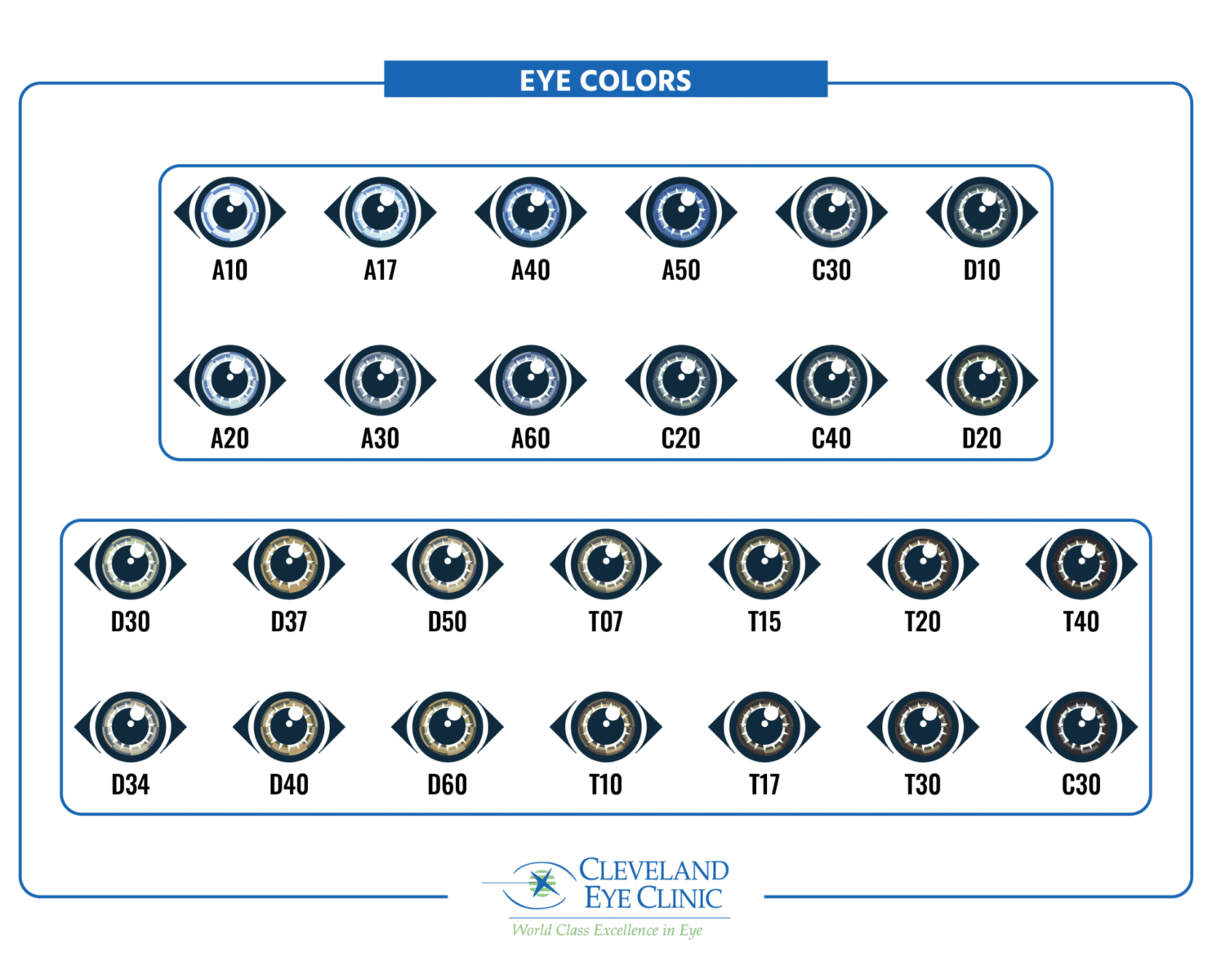
Human eye color varies widely, influenced by genetics and environmental factors. The most common colors include brown, blue, green, and hazel. Each color results from different levels of melanin in the iris.
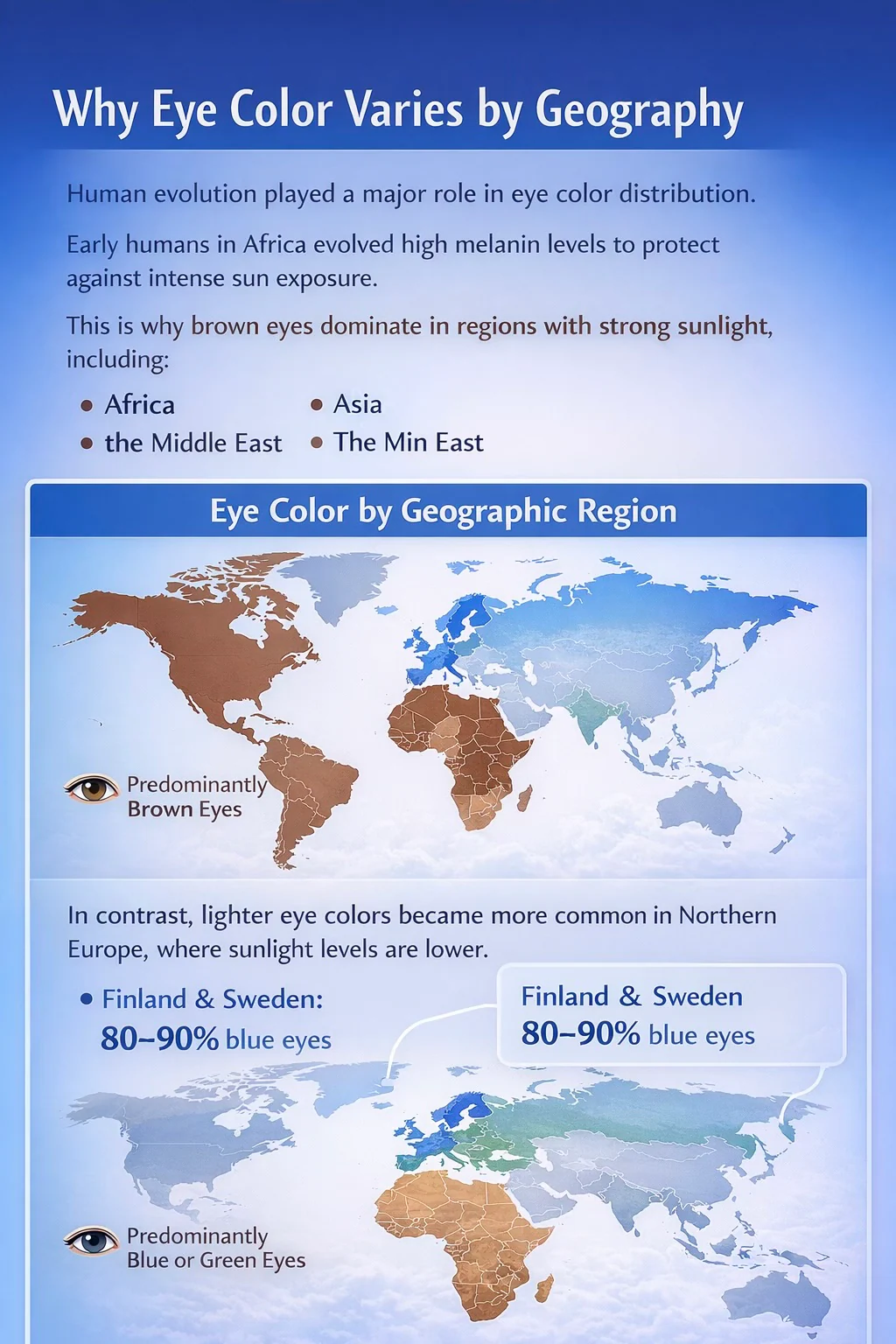
chart of eye color for humans
Chart of Eye Color for Humans
Human eye color varies widely, influenced by genetics and environmental factors. The most common colors include brown, blue, green, and hazel. Each color results from different levels of melanin in the iris.
The distribution of eye colors can differ significantly across populations. For instance, brown eyes are prevalent globally, while blue and green eyes are more common in European descent. This diversity makes eye color a fascinating subject of study.
Eye Color Genetics
Eye color is determined by multiple genes, primarily OCA2 and HERC2. These genes control melanin production, influencing whether eyes appear brown, blue, or green. Variations in these genes lead to the spectrum of human eye colors.
Genetic inheritance patterns can be complex. A child may inherit eye colors from both parents, resulting in unique combinations. Understanding these patterns helps explain why certain eye colors are more prevalent in specific ethnic groups.
Global Eye Color Distribution
The global distribution of eye color reveals intriguing trends. Approximately 79% of the world’s population has brown eyes, while blue eyes account for about 8%. Green and hazel eyes are less common, found in roughly 2% of people.
Regions like Northern Europe have higher frequencies of lighter eye colors. In contrast, darker shades dominate in Africa and Asia. This geographical variation highlights the interplay between genetics and environmental adaptation.
| Eye Color | Percentage of Population |
|---|---|
| Brown | 79% |
| Blue | 8% |
| Green | 2% |
| Hazel | 5% |
| Other Colors | 6% |
Eye Colors
3d Human Eye