The CDC (Centers for Disease Control and Prevention) and WHO (World Health Organization) growth charts serve as essential tools for monitoring children’s growth. Each chart is designed for specific populations and has unique methodologies. Understanding these differences is crucial for healthcare providers.
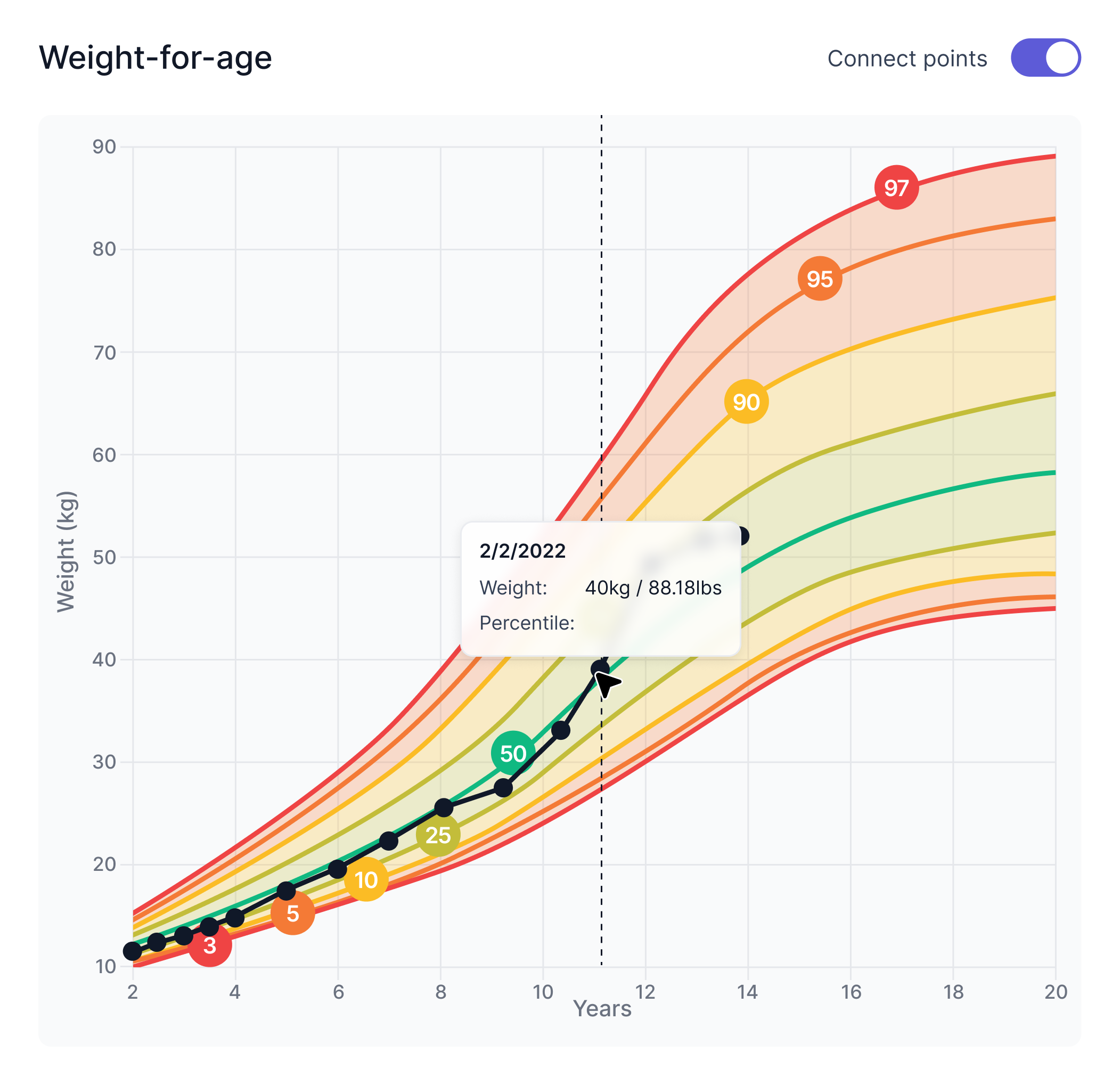
cdc vs who growth charts
CDC vs WHO Growth Charts
Understanding the Differences
The CDC (Centers for Disease Control and Prevention) and WHO (World Health Organization) growth charts serve as essential tools for monitoring children’s growth. Each chart is designed for specific populations and has unique methodologies. Understanding these differences is crucial for healthcare providers.
CDC growth charts are primarily based on data from U.S. children, while WHO charts are derived from a global sample. This distinction influences how growth patterns are interpreted in different cultural contexts. Accurate assessments depend on using the appropriate chart.
Application in Clinical Settings
Healthcare professionals utilize both CDC and WHO growth charts to track children’s growth over time. The choice of chart can impact diagnosis and treatment decisions. For instance, the CDC charts are often preferred in the U.S. for routine check-ups.
WHO growth charts are recommended for international settings, especially in developing countries. They emphasize breastfeeding and healthy growth patterns, making them vital for global health initiatives. Understanding when to use each chart enhances patient care.
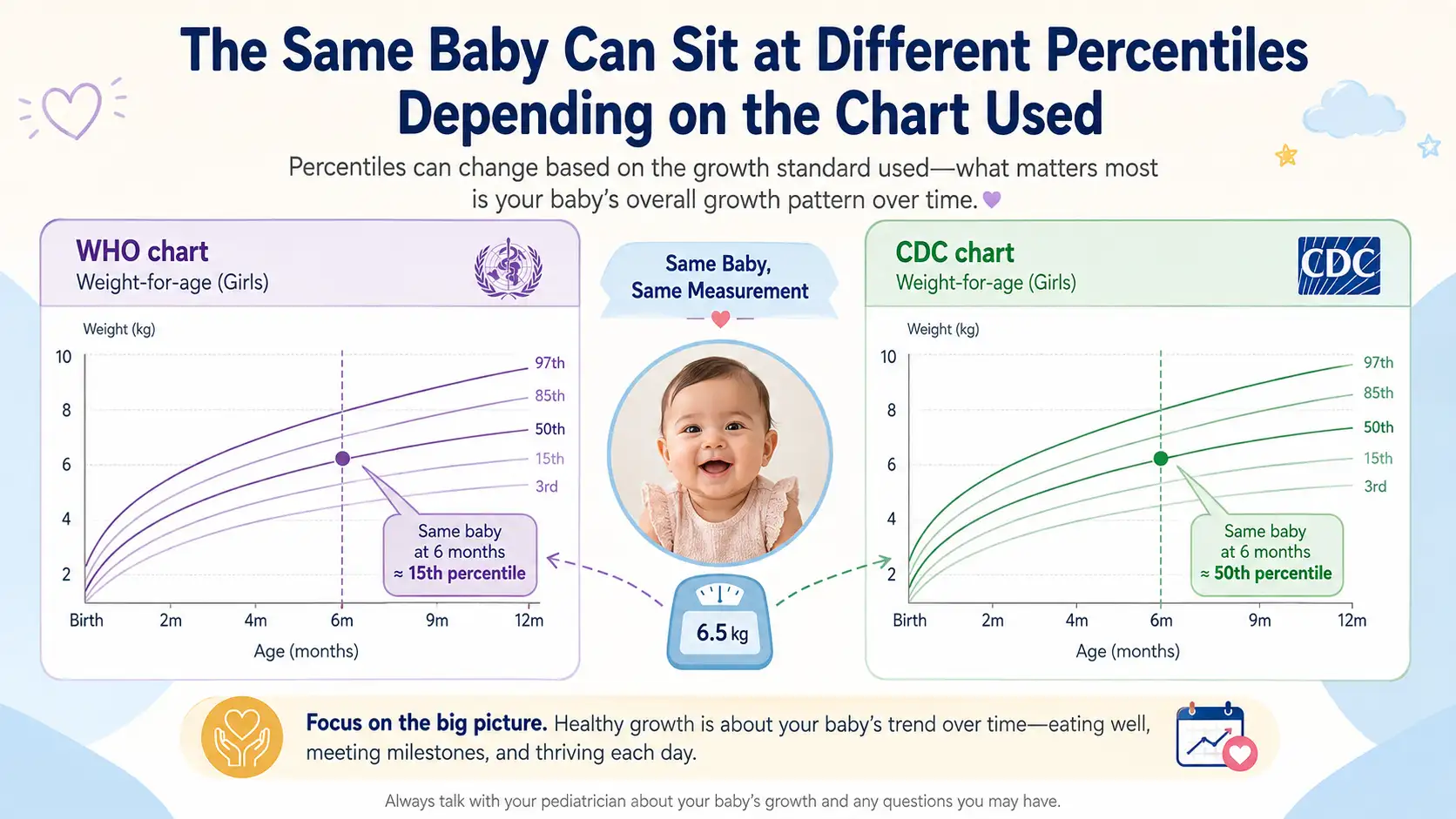
Breastfed Vs Formula Fed Growth Charts
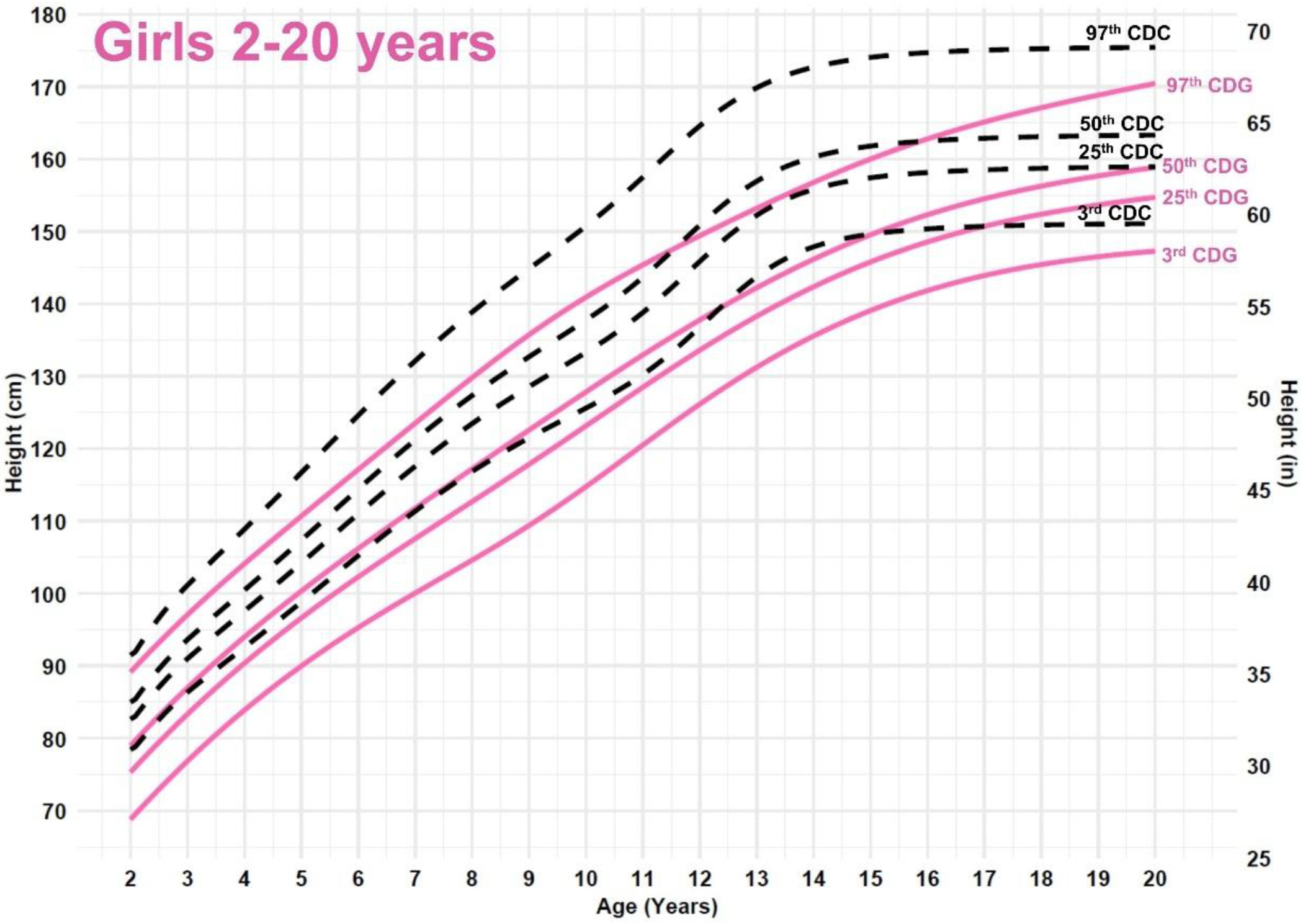
PMC13225187