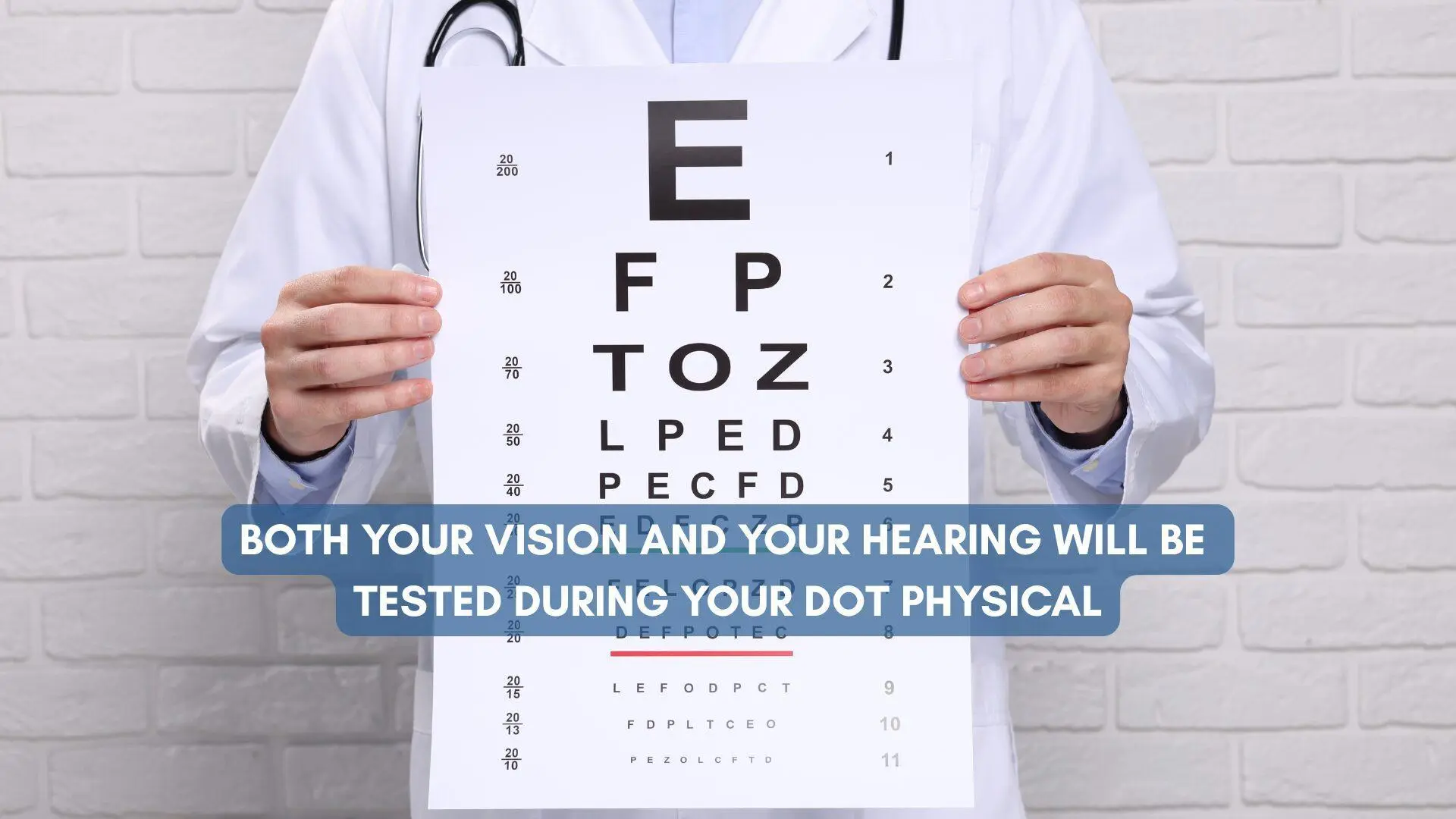
The Department of Transportation (DOT) mandates specific vision requirements for commercial drivers. An eye chart is a crucial tool used during DOT physicals to assess visual acuity. This ensures that drivers can operate vehicles safely.
eye chart for dot physical
Eye Chart for DOT Physical
The Department of Transportation (DOT) mandates specific vision requirements for commercial drivers. An eye chart is a crucial tool used during DOT physicals to assess visual acuity. This ensures that drivers can operate vehicles safely.
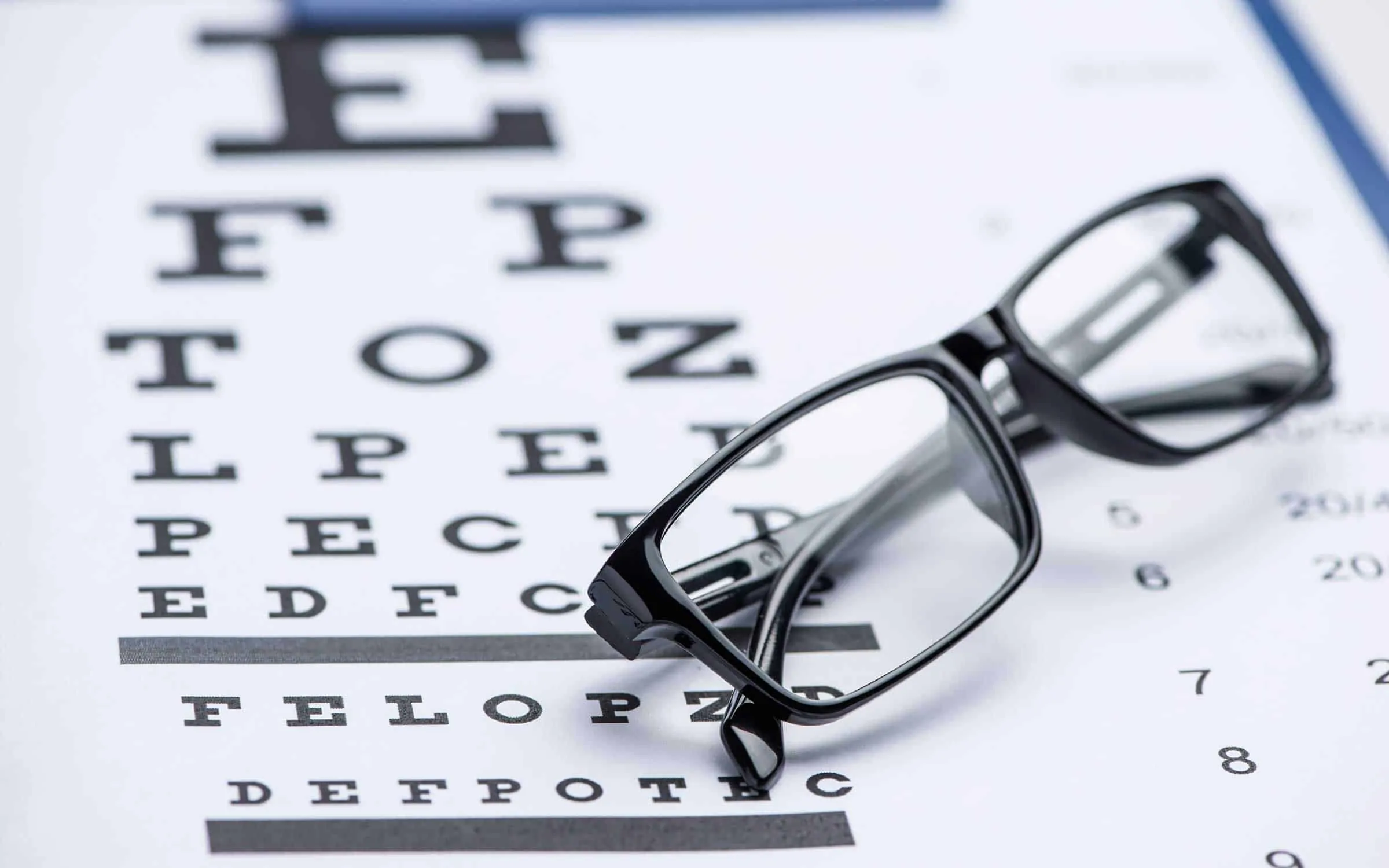
Typically, the Snellen eye chart is employed during these examinations. It features letters of varying sizes, allowing healthcare professionals to gauge how well a driver can see at different distances. Accurate vision is vital for road safety.
Importance of Visual Acuity
Visual acuity refers to the clarity or sharpness of vision. For commercial drivers, a minimum standard of 20/40 vision in each eye is required, with or without corrective lenses. This standard helps prevent accidents caused by poor eyesight.
During the DOT physical, the eye chart test measures how well a driver can read letters from a specific distance. Failing this test may result in restrictions or disqualification from driving commercial vehicles.
Preparing for the Eye Chart Test
To ensure accurate results, drivers should arrive well-rested and avoid wearing contact lenses overnight before the exam. It’s also advisable to bring any corrective eyewear if needed. This preparation can significantly impact test outcomes.
Drivers should familiarize themselves with the Snellen chart format. Understanding how to read the chart can help alleviate anxiety and improve performance during the vision assessment. Confidence plays a key role in achieving optimal results.
What Is Required For A Dot Exam

Dot Physical Eye Chart Exam