The glycemic index (GI) is a valuable tool for managing blood sugar levels. It ranks foods based on how quickly they raise blood glucose. A printable glycemic index food chart can simplify meal planning and help maintain a balanced diet.
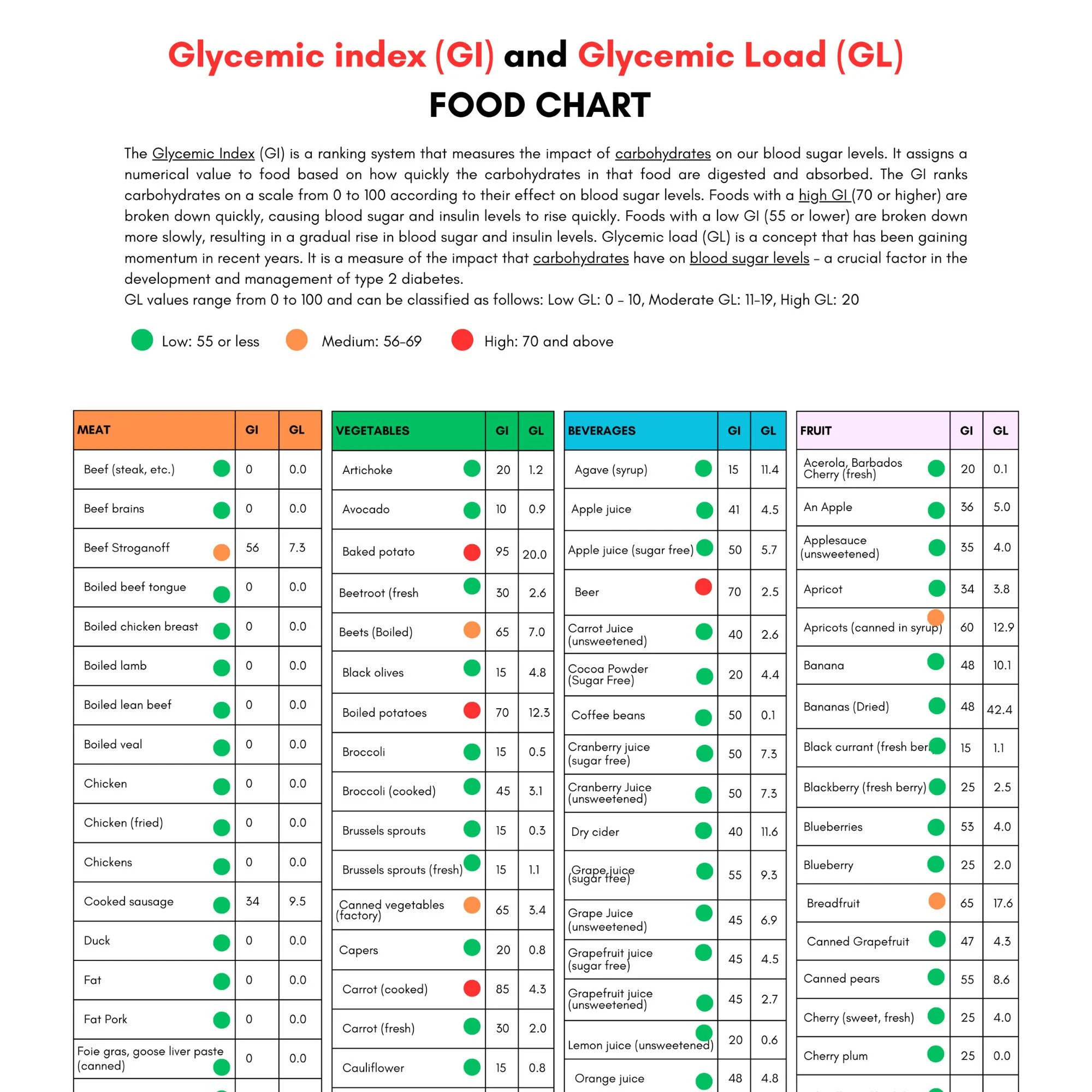
glycemic index food chart printable
Glycemic Index Food Chart Printable
The glycemic index (GI) is a valuable tool for managing blood sugar levels. It ranks foods based on how quickly they raise blood glucose. A printable glycemic index food chart can simplify meal planning and help maintain a balanced diet.
Foods are categorized into three groups: low, medium, and high GI. Low GI foods (55 or less) release glucose slowly, providing sustained energy. High GI foods (70 or more) cause rapid spikes in blood sugar, which can lead to energy crashes.
Benefits of Using a Glycemic Index Food Chart
Utilizing a glycemic index food chart can aid in weight management and improve overall health. By choosing low GI foods, individuals can enhance satiety and reduce cravings, making it easier to stick to healthy eating habits.
A printable chart allows for quick reference while grocery shopping or meal prepping. This convenience encourages healthier choices, ultimately leading to better long-term health outcomes and improved metabolic control.
How to Use the Glycemic Index Food Chart
To effectively use the glycemic index food chart, start by identifying your dietary needs. Focus on incorporating more low GI foods into your meals while limiting high GI options. This approach helps stabilize blood sugar levels throughout the day.
When planning meals, combine low GI foods with moderate ones for balanced nutrition. For instance, pairing whole grains with lean proteins can enhance the meal’s overall glycemic response, promoting better health and sustained energy levels.
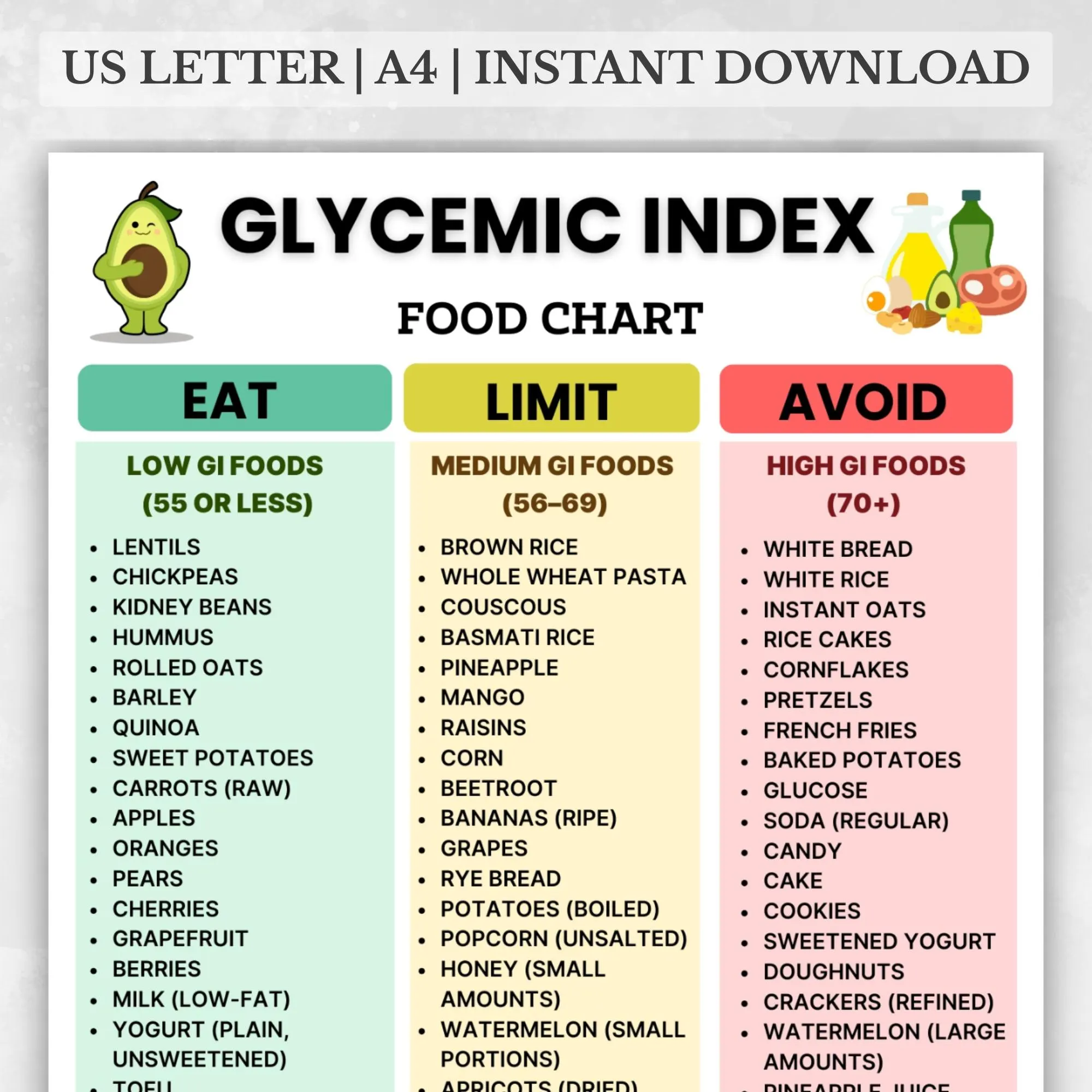
Glycemic Index Food Chart Printable Low
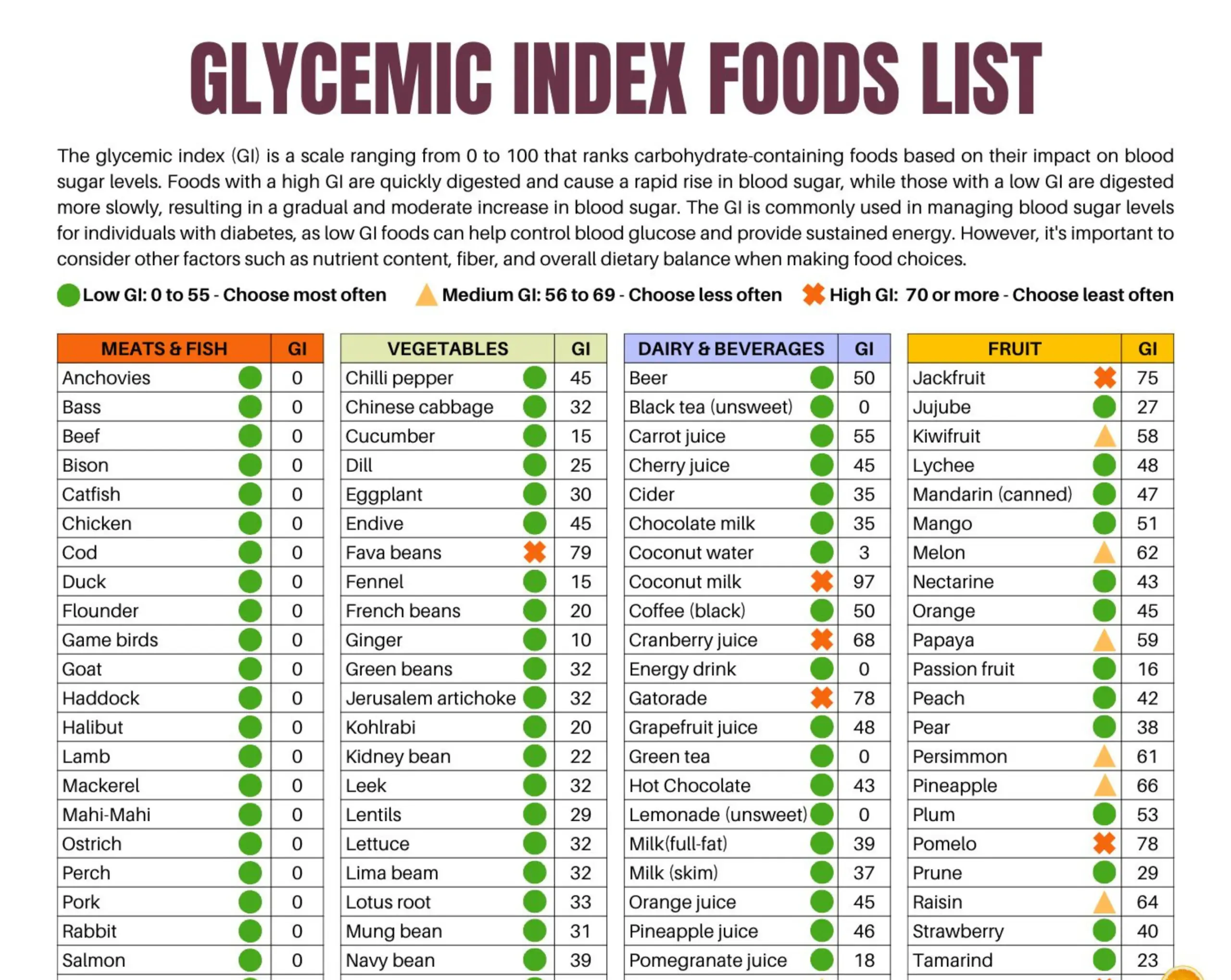
Glycemic Index Food List Printable